6 min read
Fentanyl Withdrawal: What It Feels Like and How Long It Lasts
What fentanyl withdrawal feels like, how long symptoms last, and why it differs from other opioid withdrawal.


Medically reviewed by Dr. Asad R. Hussain, M.D.
Board-certified psychiatrist · Medical Director · Last reviewed
Fentanyl has changed what opioid withdrawal looks like. People who managed to get through heroin or pill withdrawal in the past are often blindsided by how much harder fentanyl is to come off of, and how much longer it takes.
That is not a personal failing. It is pharmacology.
Where San Diego County stands
There is real good news in the local numbers. County of San Diego data show fentanyl-caused deaths peaked at 802 in 2022, the year the County declared fentanyl a public health crisis, and fell to 340 in 2025. County health officials have credited a combination of expanded treatment access, wider naloxone distribution, reduced stigma, and public awareness.
The same officials are clear that 340 deaths is still above pre-pandemic levels, and that overdoses continue to happen every day in this county. A declining trend is not the same as a safe supply.
Why fentanyl withdrawal is different
Fentanyl is far more potent than heroin or prescription opioids, and it behaves differently in the body in a way that matters for withdrawal.
It is highly lipophilic, meaning it dissolves into fat tissue. With heavy, repeated use, fentanyl accumulates in those tissues and then releases back into the bloodstream slowly over days. The practical result is that withdrawal can start later than expected, last longer than expected, and produce a drawn-out tail of symptoms that people who have detoxed from other opioids do not anticipate.
The illicit supply adds another layer. Street fentanyl varies enormously in potency, is often pressed into counterfeit pills, and is frequently mixed with other substances. The County of San Diego’s Overdose Surveillance and Response program has published specific surveillance on xylazine and xylazine-adulterated drugs locally. Xylazine is a veterinary sedative, not an opioid, and it does not respond to opioid medications, which complicates both overdose reversal and withdrawal management. A clinical assessment should account for what someone has actually been exposed to, which is frequently more than they know.
Fentanyl withdrawal timeline
Timelines vary substantially based on how much someone used, for how long, whether they used other substances, and their overall health.
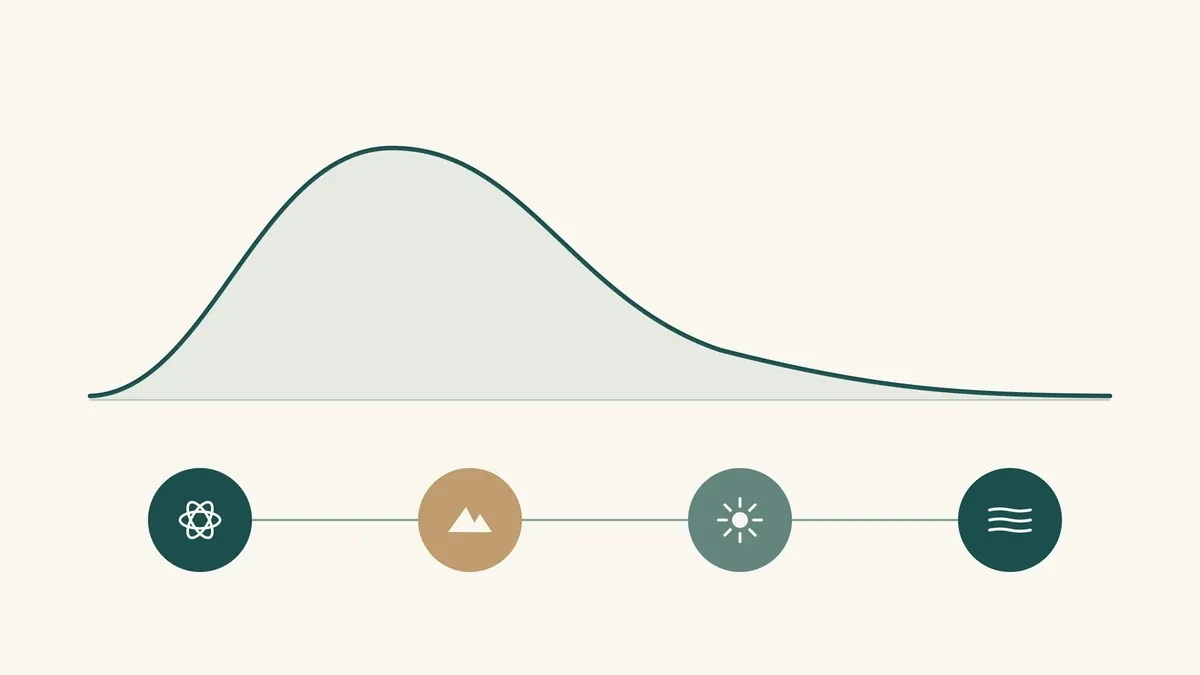
8 to 24 hours after last use. Early symptoms typically begin: anxiety, restlessness, yawning, watery eyes and runny nose, sweating, muscle aches, dilated pupils, difficulty sleeping. For people with heavy long-term use, onset can be delayed beyond this window.
Days 1 to 3. Symptoms generally peak. This stage commonly includes severe muscle and bone pain, abdominal cramping, nausea, vomiting, diarrhea, chills alternating with sweating, goosebumps, agitation, and intense cravings. Fluid loss from vomiting and diarrhea can become clinically significant.
Days 4 to 10. Physical symptoms gradually ease. Sleep disturbance, low mood, anxiety, and fatigue often persist and can be more prominent than the physical symptoms at this point.
Weeks to months. Many people experience a protracted phase: poor sleep, low motivation, mood instability, difficulty feeling pleasure, and cravings that surface unpredictably. This phase is where a lot of relapses happen, and it is treatable.
Is fentanyl withdrawal dangerous?
Opioid withdrawal is not usually directly fatal the way alcohol withdrawal can be. That framing has done real harm, because it leads people to believe medical supervision is optional.
The dangers are real and specific:
Dehydration and electrolyte disturbance. Sustained vomiting and diarrhea can cause serious complications, particularly for people with cardiac or kidney conditions.
Overdose after a break in use. This is the most lethal risk. Tolerance drops quickly during withdrawal. Someone who leaves detox early and uses their previous amount has a substantially elevated risk of fatal overdose. Given the potency and variability of the current supply, that margin is very thin.
Precipitated withdrawal. Starting buprenorphine too soon after fentanyl use can trigger abrupt, severe withdrawal. Because fentanyl lingers in tissue, standard induction timing that worked for other opioids may not apply. This is a clinical decision that requires a physician, and it is a significant reason to detox in a supervised setting rather than attempting a buprenorphine start on your own.
Untreated co-occurring conditions. Withdrawal frequently unmasks or worsens depression, anxiety, and trauma symptoms.
When to Get Medical Help
Fentanyl withdrawal is rarely life-threatening on its own, but it can be severe enough that many people return to use just to stop the symptoms, and the risk of overdose is highest after a period of reduced tolerance. Medically supervised detox manages symptoms with medication and round-the-clock care. Learn more about our fentanyl detox in San Diego County program.
Detox is the beginning, not the treatment
Withdrawal management clears the substance and stabilizes the body. It does not by itself change the conditions that produced the use. Outcomes are generally better when detox flows directly into continued care rather than ending at discharge.
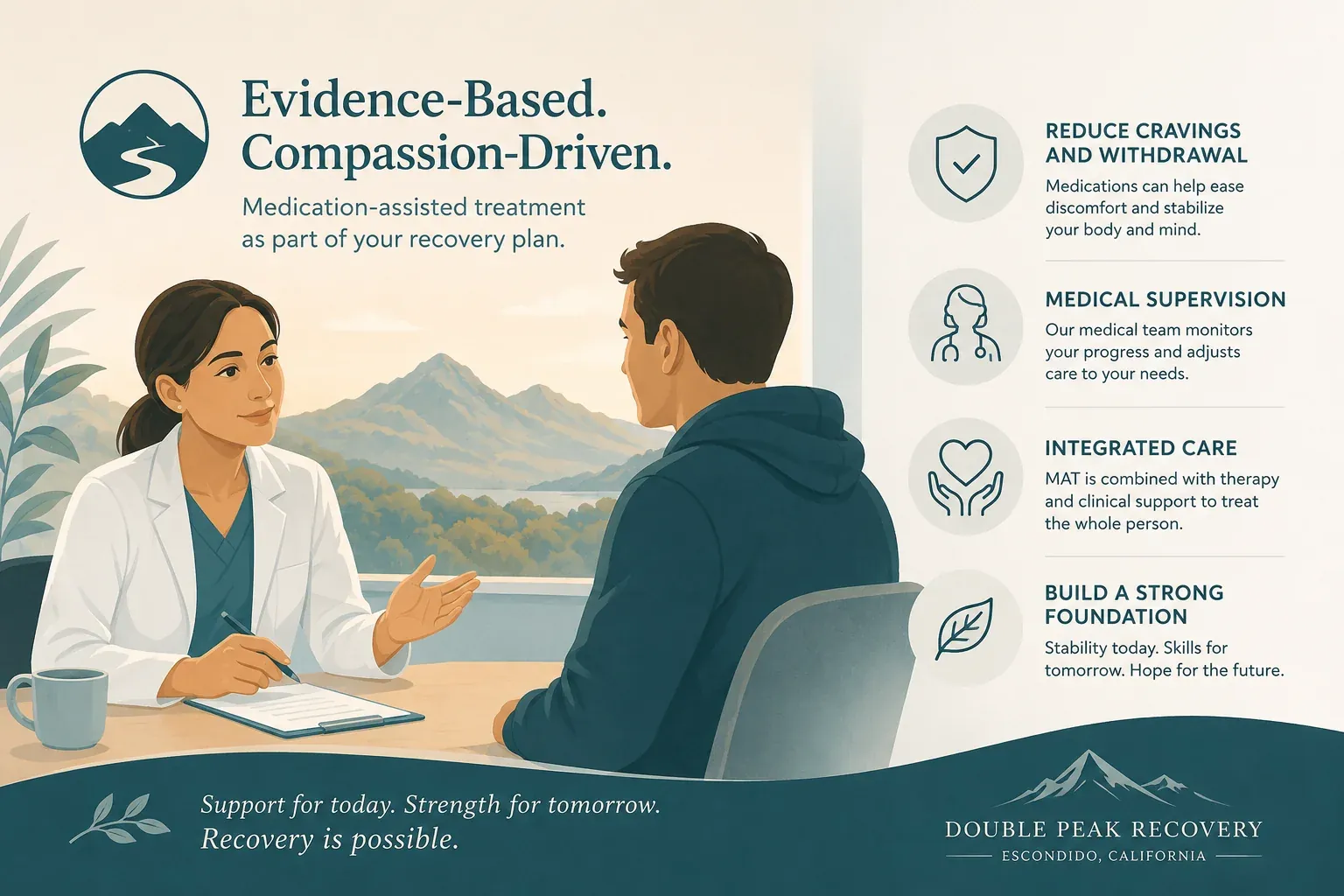
At Double Peak Recovery, most clients move from detox into residential treatment as a single continuum, with individual therapy, group work, medication management, and a discharge plan built before they leave. Roughly nine out of ten of our clients receive medication-assisted treatment through our program physician.
Frequently asked questions
1. How long does fentanyl withdrawal last?
Acute symptoms commonly run five to ten days, longer than heroin or short-acting pills, with protracted symptoms possible for weeks. Heavy long-term use tends to extend the timeline.
2. Can I detox from fentanyl at home?
People do, but the risks are real: dehydration, extreme discomfort that drives early return to use, and overdose on a supply of unpredictable potency. A clinical evaluation is the safer starting point.
3. Will I be given Suboxone?
Buprenorphine is one option a physician may recommend. The timing of induction matters a great deal with fentanyl, and that decision is made individually after evaluation.
4. How soon after my last use should I come in?
There is no waiting period. Admissions can assess you and coordinate the timing of any medication with the medical team.
5. Do you treat people using both fentanyl and methamphetamine?
Yes. Combined stimulant and opioid use is common in San Diego County, and our program treats polysubstance use.
Related reading:
If you are in crisis or thinking about harming yourself, call or text 988 to reach the Suicide and Crisis Lifeline. For treatment referrals, SAMHSA’s National Helpline is 1-800-662-4357, free and confidential, 24 hours a day. San Diego County’s Access and Crisis Line is 1-888-724-7240, available 24/7.
This article is for general information and does not constitute medical advice, diagnosis, or treatment. Individual medical circumstances vary. Always consult a qualified health care provider about your situation. Double Peak Recovery does not guarantee any particular treatment outcome.
Sources & Resources
- County of San Diego Overdose Surveillance and Response Program
- County of San Diego Drug Overdose Data Dashboard
- County of San Diego OSAR data and reports, including xylazine surveillance
- Reporting on the 2022–2025 decline in San Diego County fentanyl deaths
- California Overdose Surveillance Dashboard (CDPH)
- County of San Diego Behavioral Health Services